
Published in October 2026 | Kobonat
Artificial fishing lures: the types and how to choose the right one
Artificial lures are a practical choice for anglers in the Gulf: they do not spoil like natural bait, can be reused many times, and attract predatory fish with their movement and flash. But the many types and shapes confuse beginners. This guide explains the main types and when to use each.
The main types of artificial lures
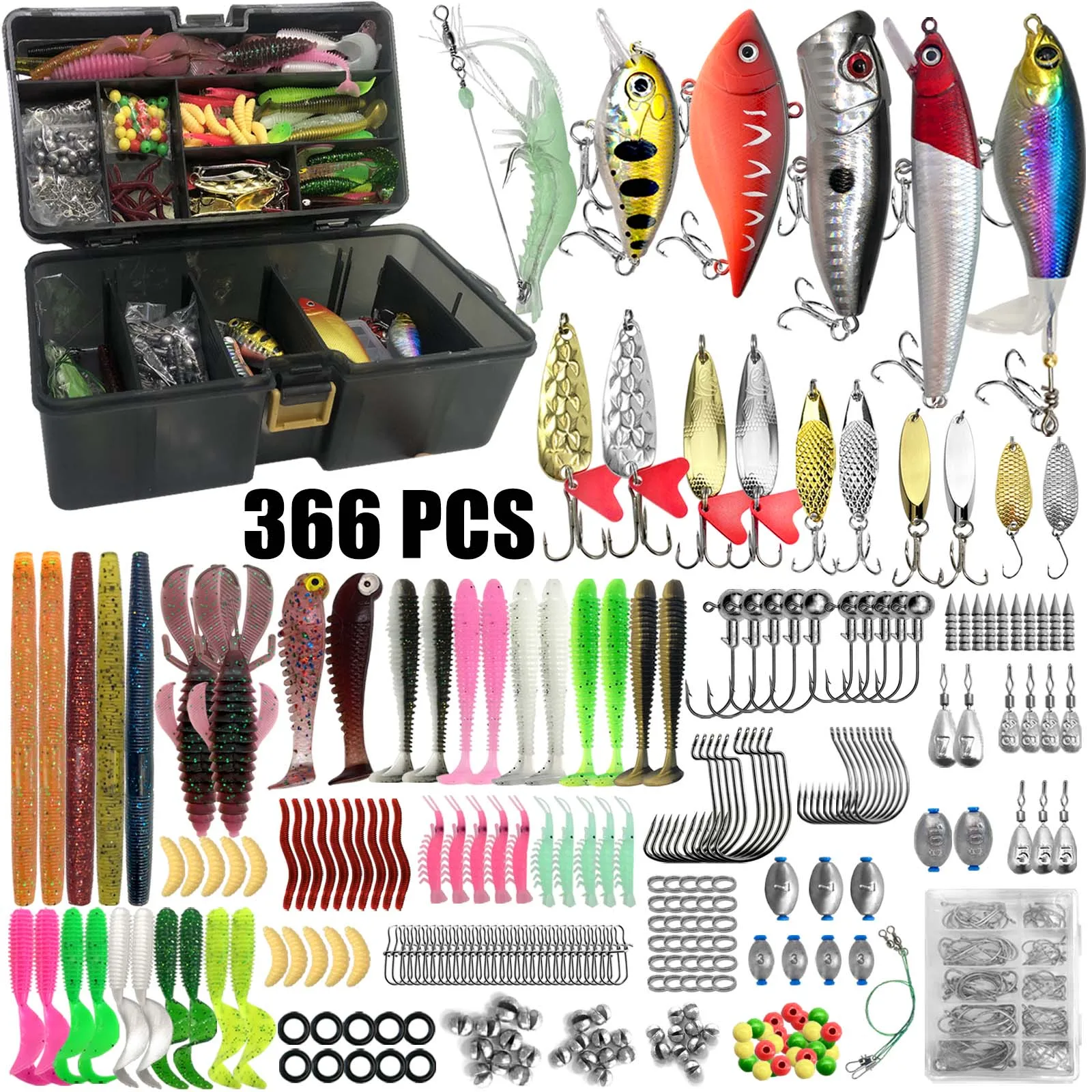
- Spoons: a curved metal piece that flashes and wobbles in the water, easy to use and good for beginners, and effective on fast predatory fish.
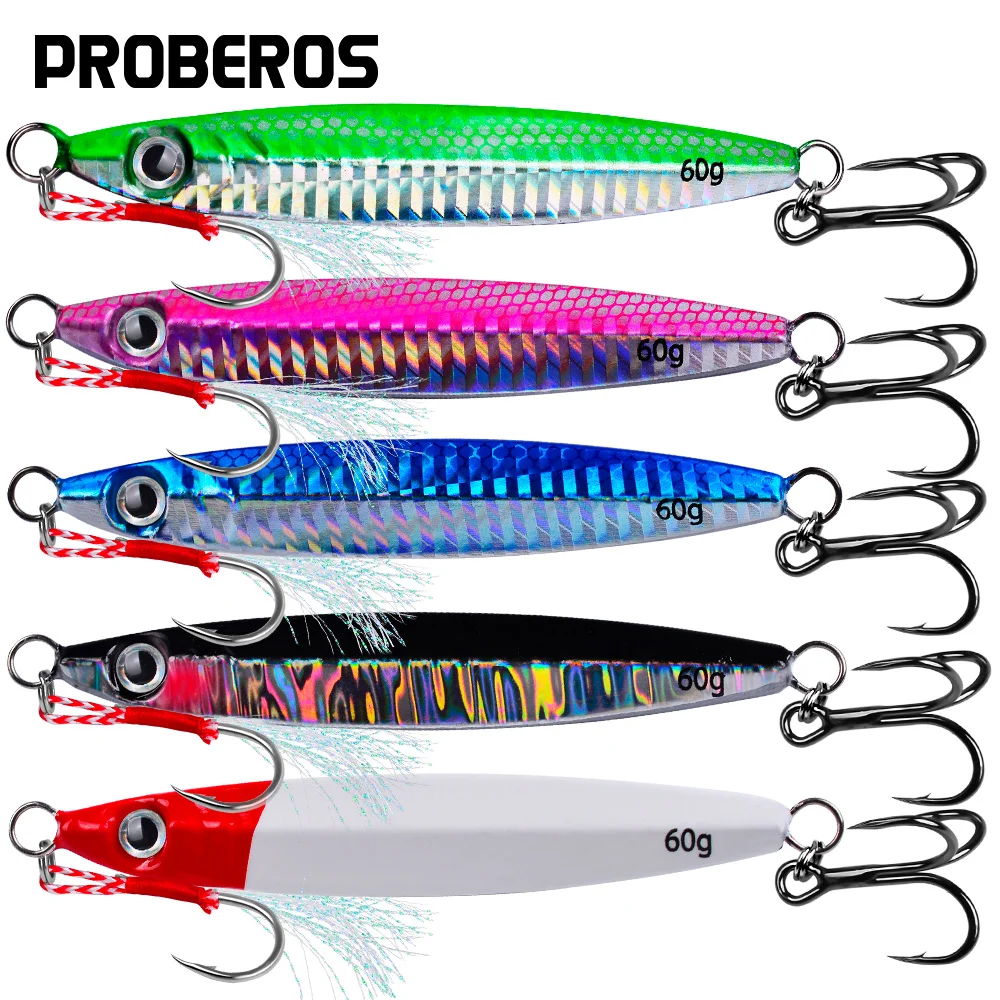
- Metal jigs: relatively heavy, cast far and sink fast; worked with a lift-and-drop action, good from the shore and from boats.
- Soft plastics: imitate small fish, worms or shrimp with a very natural action, good for bottom fish and fishing near rocks.
- Hard baits (minnows): hard plastic shaped like a small fish; some float and some dive to a set depth depending on the front lip.
- Poppers: float on the surface and splash and pop when pulled, great fun when fish are feeding on top.
- Squid jigs: designed for squid, with rows of small spikes instead of a normal hook.
- Spinners: a metal blade spinning around a wire that sends out vibration and flash, good for calm water and small to medium fish.
Which lure for which spot?
| Fishing spot | Suggested lure | Why |
|---|---|---|
| Open sandy beach | Metal jig or spoon | Long casts and fast sinking |
| Breakwaters and rocks | Soft plastic or light jig | Natural action and fewer snags |
| Shallow flats | Floating minnow or popper | Stays above the bottom and weed |
| Deep water from a boat | Heavy jig | Reaches depth quickly |
| Harbours at night under lights | Squid jig or small soft plastic | Squid and baitfish gather around the light |
How to choose the right weight
Weight decides casting distance and sinking speed. From the shore in wind you need a heavier lure to reach a good distance, while shallow or calm water needs less. Most importantly, the weight should match the rod's rating (Lure weight or Casting weight), because a lure heavier than the rod's limit can break it, and one much lighter won't cast well.
As a rule of thumb: 7 to 20 g for light fishing from breakwaters, 20 to 60 g for open beaches, and heavier for vertical jigging from a boat.
Basic retrieves
- Steady retrieve: cast and reel at a constant speed, best for spoons, spinners and minnows.
- Jigging: let the jig sink, lift the rod sharply and let it fall while you reel in slack. Most strikes come on the drop.
- Stop-and-go: quick turns then a short pause, making the lure look like an injured fish.
- Popper action: short twitches of the rod tip that make a "pop", with a pause between each.
Colour and timing
- In clear water and sunny days, natural colours such as silver and blue work well.
- In murky water or low light, try bright colours such as yellow, orange and pink.
- Early morning and before sunset are active times for many fish and suit poppers and surface lures.
- Tides matter: many anglers prefer the start of the rising or falling tide, when moving water carries food.
- If you get no strikes for a while, change colour or retrieve speed before changing spot.
Why a mixed kit is best for beginners
A beginner doesn't yet know which type suits their spot and its fish. A kit with different weights and colours lets you experiment without buying each piece separately, and usually comes with a box that protects lures and stops hooks tangling. Over time you'll learn which types work for you and buy more of them.
Accessories you'll need
- Swivels and snaps: prevent line twist and make lure changes quick.
- Leader line: a length of stronger, less visible fluorocarbon between the main line and the lure, protecting against teeth and rocks.
- Spare hooks and split rings: to replace damaged hooks.
- Fishing pliers: to unhook fish safely and open split rings.
Lure care and safety
- Rinse lures with fresh water after sea fishing so they don't rust.
- Dry them before putting them back in the box, and replace rusty or bent hooks.
- Don't store soft plastics in the same compartment as hard baits; some rubbers melt plastic or paint.
- Mind the sharp hooks when casting and make sure no one is behind you.
- Keep lures out of children's reach.
- Don't leave line or broken lures on the beach; they harm birds and turtles.
- Check fishing rules, licences and permitted areas in your country, and respect size limits and closed seasons.
Suggested products




Prices and codes are approximate and may change; purchases are completed on AliExpress.