
Published in October 2026 | Kobonat
Organizing the kitchen with simple tools: practical ideas for small spaces
An organized kitchen saves time while cooking and reduces food waste. You do not need a full renovation; a few simple organizers with a clear plan make a big difference.
Start by emptying and sorting
Empty one cupboard at a time, and don't try to organise the whole kitchen in one day. Clean the shelf inside, then get rid of expired products and broken or duplicate tools. Do you have five colanders and use one? Donate the rest. Then divide items into groups: everyday tools, rarely used tools, dry food, baking tools and serving ware.
Divide the kitchen into zones
Think of the kitchen as workstations, and put everything near where it's used:
- Cooking zone (near the hob): pots, pans, wooden spoons, oils and spices.
- Prep zone (the worktop): knives, chopping boards, bowls and grater.
- Washing zone (near the sink): detergents, sponges, bin bags and dish rack.
- Serving zone (near the dishwasher or dining table): plates, cups and cutlery.
- Pantry zone: dry food and tins.
Keep everyday items between shoulder and knee height, and rarely used ones at the top or bottom.
Tools that help
- Extra shelf risers inside cupboards: double the vertical space, especially for plates and cups.
- Clear airtight containers: for pulses, rice, sugar and flour; you see the amount at a glance and they protect against insects and humidity. Square containers save more space than round ones.
- Drawer dividers: stop spoons and knives mixing together.
- Turntable (lazy Susan): useful for spices and oils in deep corners.
- Pot lid organiser: solves the most annoying cupboard problem.
- Pull-out baskets under the sink: use the space around the pipes.
- Magnetic knife strip: frees a drawer and keeps knives sharp.
- Adhesive hooks and hanging rails: for towels and light utensils.
Organising the fridge
| Place | What goes there |
|---|---|
| Door | Sauces, drinks and condiments (the warmest part) |
| Upper shelves | Leftovers, ready-to-eat food, dairy |
| Lower shelf | Raw meat and fish in a sealed container (the coldest part, and avoids drips onto other food) |
| Drawers | Vegetables and fruit |
Clear fridge boxes help group similar items and make cleaning easier. Don't overfill the fridge, because cold air needs to circulate.
The "first in, first out" rule
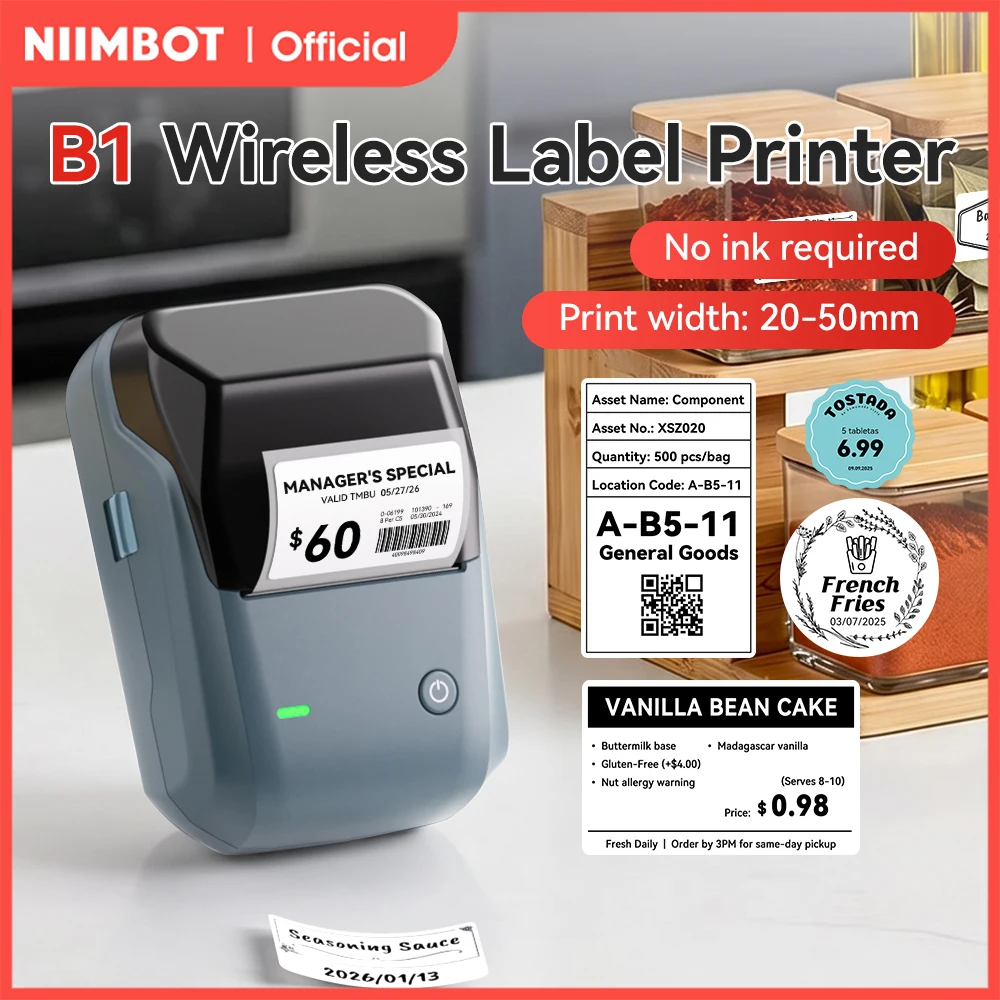
When you bring new shopping home, put new items at the back and older ones at the front so they're used before they expire. Label containers with the contents and date, especially for things that look similar, such as flour and semolina or different spices. This simple rule reduces waste a lot.
Small kitchen tips
- Use the inside of cupboard doors for hanging organisers for lids or spices.
- A slim rolling trolley fits the gap between the fridge and the wall.
- Hang mugs under shelves with hooks.
- Choose nesting bowls and pots that stack inside each other.
- Keep the worktop as clear as possible; only the appliances you use daily.
Organising the spices
Spices often turn into a mess. Use uniform small jars with clear labels, and store them in a drawer with a sloped insert, on a wall rack, or on a turntable. Keep them away from the hob's heat and from sunlight so they keep their flavour, and buy small amounts of spices you use rarely.
Keeping it organised
Organisation isn't done once. Spend five minutes every night putting things back in their place, and go through one cupboard a month to get rid of expired items. When buying a new tool, ask: do I really need it, and where will it go?
Summary
Empty and sort first, divide the kitchen into zones, use clear containers and drawer dividers, organise the fridge correctly, and follow "first in, first out". Start with one cupboard today, and you'll notice the difference in daily cooking.
Suggested products

Prices and codes are approximate and may change; purchases are completed on AliExpress.