
Published in October 2026 | Kobonat
How to choose a cordless electric drill for home: a beginner's guide
Fitting a shelf, assembling a piece of furniture or doing a small repair at home becomes much easier with a cordless drill. But devices vary, and what matters is choosing what suits your work.
Decide on the type of jobs first
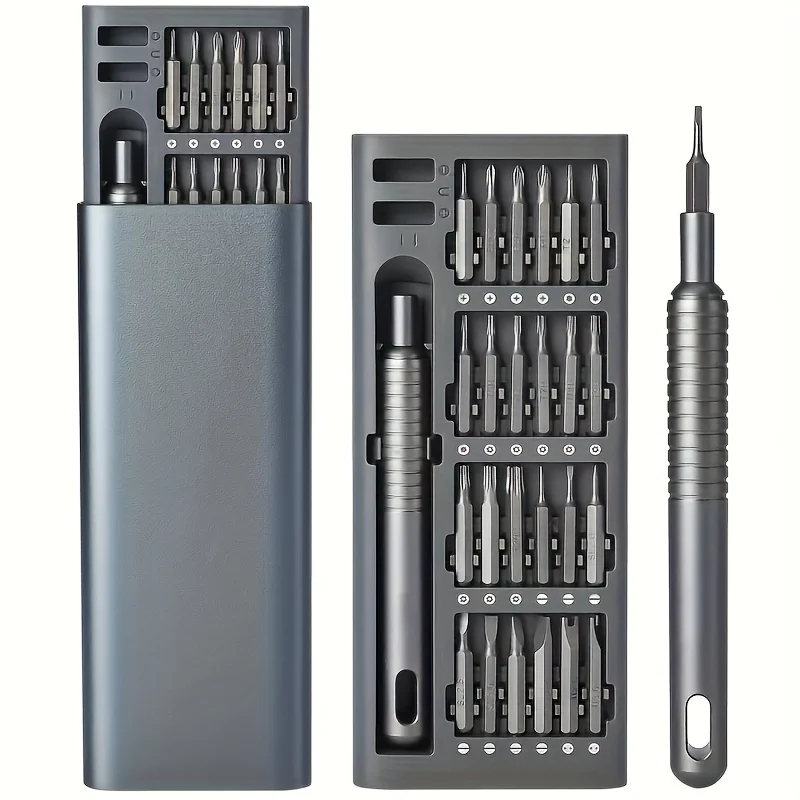
- Light jobs: assembling furniture, driving screws, small holes in wood. A small electric screwdriver charged over USB or a 12 V drill is enough.
- Medium jobs: hanging shelves, curtains and TVs, holes in brick and plasterboard. You need an 18 or 20 V drill with a hammer function.
- Heavy jobs: reinforced concrete and stone need an SDS rotary hammer, not a light household drill.
The three types explained
| Type | Use | Note |
|---|---|---|
| Drill driver | Wood, light metal and screws | Not good for concrete |
| Hammer drill | Brick, block and normal walls | The best fit for most homes |
| Impact driver | Driving long, tough screws quickly | Not mainly for drilling |
Most homes in the Gulf have concrete block walls, so a drill with a hammer function is the practical choice if you'll be hanging things on walls.
Key specifications
- Voltage: 12 V for light jobs and lighter weight; 18 or 20 V for general use and walls.
- Battery: lithium batteries are lighter and hold charge better. Capacity in Ah sets working time: 2 Ah for short jobs, 4 Ah for long ones. A spare battery is a plus.
- Torque: measured in Nm; 30 to 40 Nm is enough for furniture, 50+ for tougher jobs.
- Speed: two speeds (low for screws, high for drilling) and a variable trigger.
- Clutch: a numbered ring that stops rotation at a set resistance so you don't strip screw heads or bury them in wood.
- Chuck: sets the bit size it accepts; 10 or 13 mm is typical, and keyless is easier.
- Brushless motor: more efficient, longer-lasting and gives more runtime per battery, but costs more.
- Light: a small LED helps in tight spots and inside cupboards.
- Accessories and case: a set of bits and a carry case saves buying tools separately.
The right bit for each material
- Wood: a wood bit with a centre point that prevents slipping.
- Metal: an HSS bit, at low speed with a drop of oil.
- Walls and brick: a masonry bit with a carbide tip, with hammer mode on.
- Tiles and ceramics: a special tile bit, without hammer, with light pressure and water.
How to hang a shelf on a block wall
- Mark the holes with a pencil and use a spirit level so the shelf is straight.
- Check for wires or pipes behind the wall with a detector, and avoid the vertical line above switches and sockets.
- Stick masking tape over the spot to stop the bit slipping and the paint cracking.
- Choose a bit the same diameter as the wall plug, start slowly, then switch on hammer mode.
- Clear the dust from the hole, insert the plug, then drive the screw at low speed with the clutch set.
Safety before drilling
- Wear safety glasses, and a mask when drilling walls because of the dust; avoid loose clothing and fabric gloves that can wrap around the bit.
- Clamp the workpiece instead of holding it by hand.
- Before drilling into a wall, make sure there are no electric cables or water pipes behind it.
- Hold the drill firmly with both hands, as it can twist suddenly if the bit jams.
- Remove the battery when changing bits.
Caring for the drill and battery
Wipe off dust after each use, especially from the vents, and store it somewhere dry, away from the heat of an outdoor shed in summer. Don't leave the battery fully charged or completely empty for long; store it at about half charge. If the battery gets hot after long use, let it cool before charging.
A useful buying point: some brands let one battery work across other tools such as saws and blowers. If you plan to expand your tools, choose a system with easily available batteries.
Useful companion tools
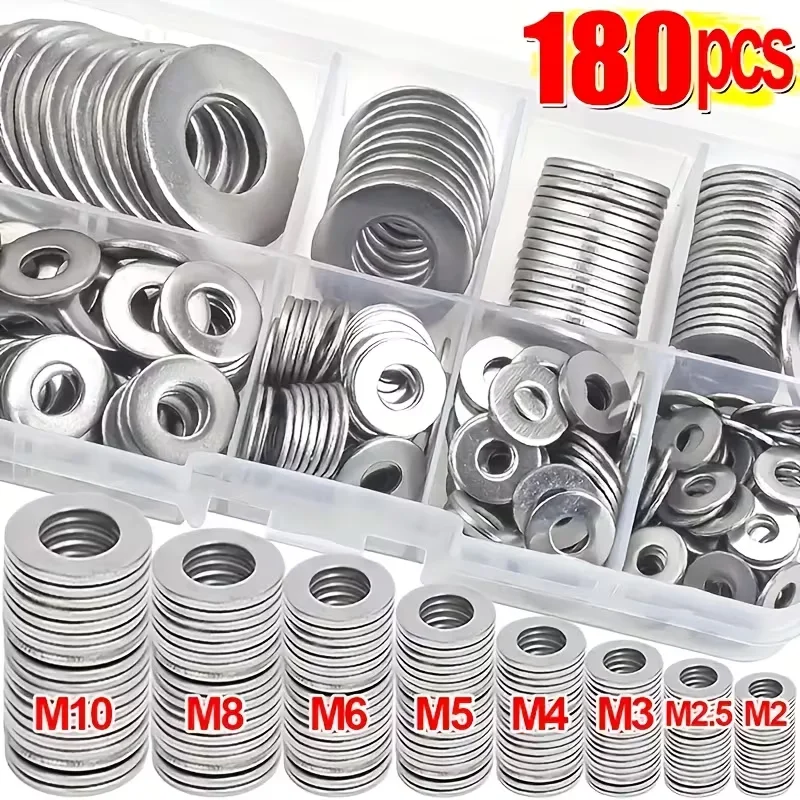
Alongside the drill, a spirit level, a cable detector and a set of wall plugs and screws in various sizes save trips to the shop. A wire stripper helps with simple electrical work, but any electrical work must be done with the power off at the breaker, and if you're not confident, call a professional. See our home toolkit guide.
Summary
For most homes: an 18 or 20 V cordless hammer drill with two lithium batteries, a clutch and a set of wood and masonry bits. If your jobs are only furniture assembly, a small electric screwdriver is enough and saves money.
Suggested products
Prices and codes are approximate and may change; purchases are completed on AliExpress.