
Published in October 2026 | Kobonat
The basic home toolkit: tools every home needs
Hanging a shelf, tightening a screw in a chair or taking apart furniture are small jobs that come up in every home. Having an organized basic toolkit saves time and the cost of calling a technician for simple things.
The essential tools
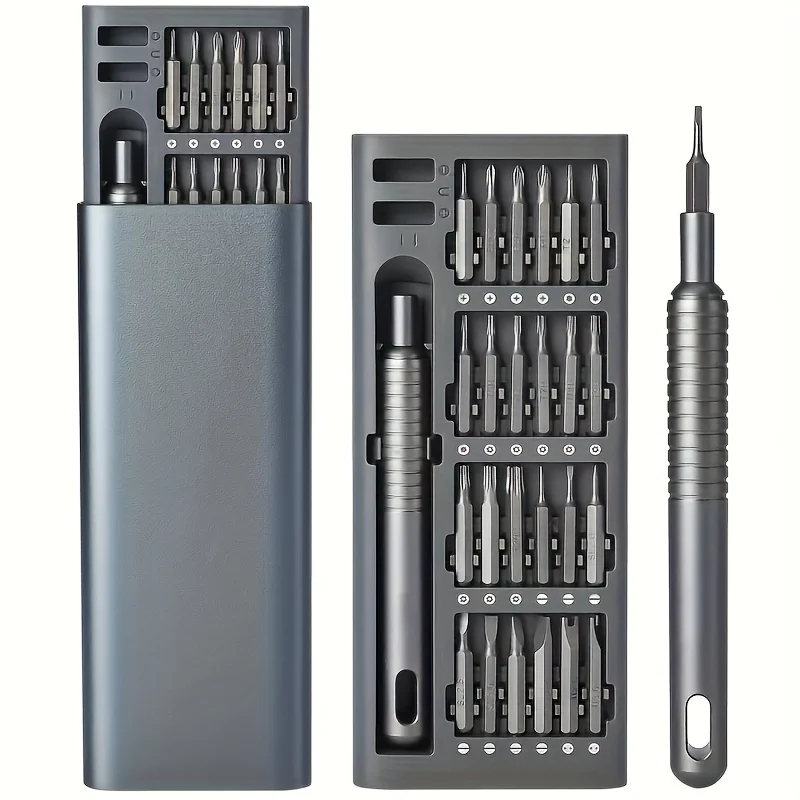
- Screwdriver set: flat and Phillips heads in different sizes. A single handle with interchangeable bits saves space, ideally magnetic so screws don't fall.
- Medium hammer: for nails and hanging things; a claw hammer also pulls nails.
- Pliers and cutters: for gripping and cutting; needle-nose pliers reach tight spots.
- Adjustable spanner: for nuts, taps and plumbing fittings.
- Tape measure and spirit level: to hang things straight.
- Allen keys: much flat-pack furniture needs them; a multi-size set is useful.
- Utility knife and insulating tape: for all sorts of jobs.
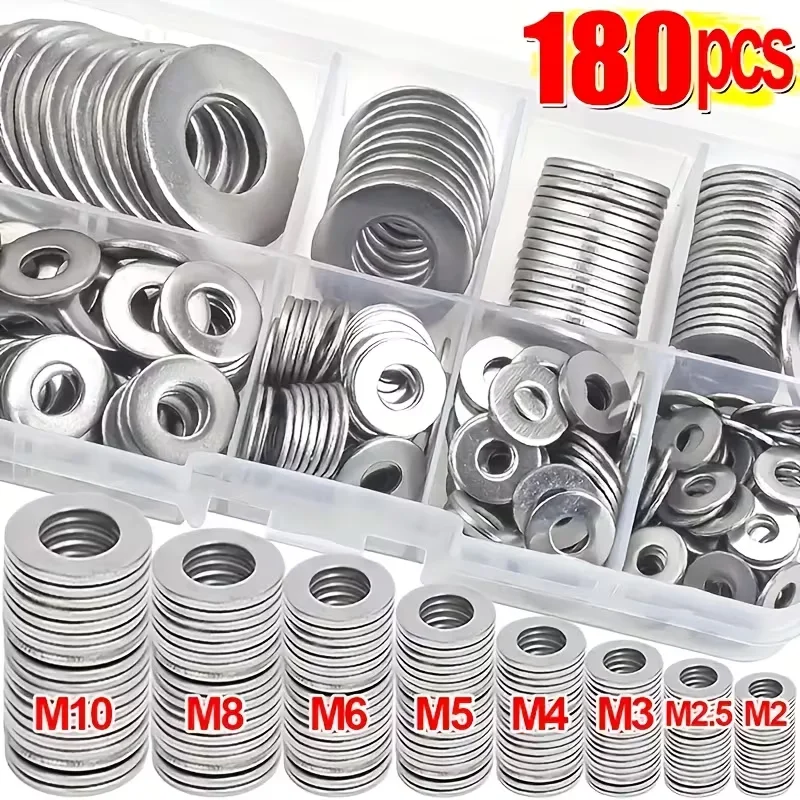
- Assorted screws, nails and wall plugs: in a compartment box.
- Small torch: for working under sinks and inside cupboards.
Common problems and their tools
| Problem | Tool |
|---|---|
| Loose door hinge | Phillips screwdriver |
| Wobbly chair | Allen keys or a screwdriver |
| Hanging a picture | Hammer, nails, spirit level |
| Hanging a shelf or TV | Drill, wall plugs, level, cable detector |
| Small leak under the sink | Adjustable spanner, PTFE tape |
| Assembling flat-pack furniture | Allen keys, screwdriver, rubber mallet |
Useful additions over time
- PTFE tape: to seal plumbing threads and stop leaks.
- Silicone and a sealant gun: to seal sink and bathtub edges.
- Rubber mallet: to fit furniture parts without marking them.
- Clamps: to hold pieces while gluing or drilling.
- Voltage tester pen: to check the power is off, though it doesn't replace switching off the breaker.
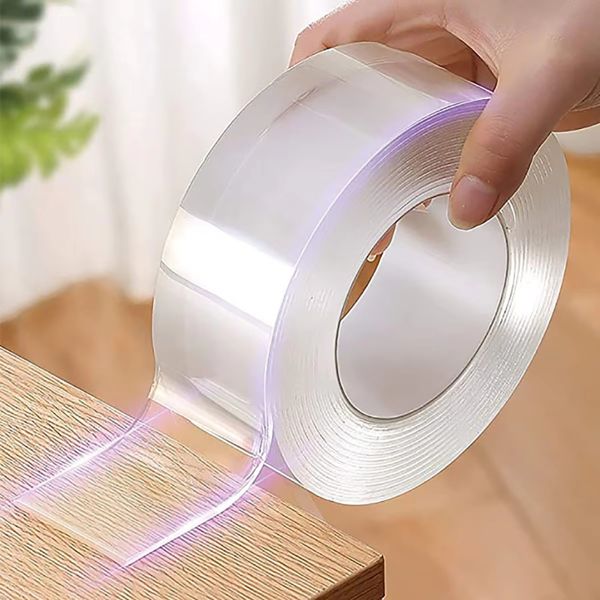
- Double-sided tape and adhesive hooks: for light hanging without drilling, handy in rented flats.
Do you need a drill?
If you often hang shelves and curtains, an electric drill saves a lot of effort. For home use, an 18 or 20 V cordless hammer drill with wood and masonry bits is usually enough, since most Gulf homes have block walls. If your jobs are only furniture assembly, a small electric screwdriver is enough and saves money. See our cordless drill guide.
Ready-made kit or separate tools?
Ready-made kits in a case are convenient and fairly cheap, and suit people starting from scratch. But some contain lots of weak pieces you never use. A middle path: buy a medium kit for the basics, then replace the tools you use most (such as the screwdriver and pliers) with better-quality versions.
Quality and storage
- Choose comfortable handles and strong steel (such as chrome vanadium) for frequently used tools.
- Cheap screwdriver tips wear quickly and ruin screw heads, so a good screwdriver is worth the extra cost.
- Keep tools in a bag or box with compartments so you find them fast, and put each back after use.
- Store them somewhere dry to prevent rust, and wipe them with a lightly oiled cloth now and then.
- Keep sharp tools out of children's reach, and lock the box if possible.
When to call a professional
Simple jobs are satisfying and save money, but some need a specialist: any electrical work beyond changing a bulb or socket cover, gas connections, leaks inside walls, and hanging very heavy items from plasterboard ceilings. Mistakes here can be dangerous or cost more than the professional's fee.
Safety tips
- Switch off the power at the breaker before working near wiring.
- Close the water valve before undoing any plumbing fitting.
- Wear safety glasses when hammering or drilling.
- Use a proper ladder and don't stand on chairs with wheels.
Summary
Start with the basics: screwdrivers, hammer, pliers, adjustable spanner, tape measure, level and Allen keys, and add tools gradually as real jobs come up instead of buying a big kit and using half of it. Know your limits and call a professional for dangerous work.
Suggested products
Prices and codes are approximate and may change; purchases are completed on AliExpress.