
Published in October 2026 | Kobonat
How to choose a fast and safe phone charger
A charger is not just a small accessory; it affects charging speed and battery health in the long run. Choosing a very cheap charger with unclear specifications may cost you more later.
Understand power in watts
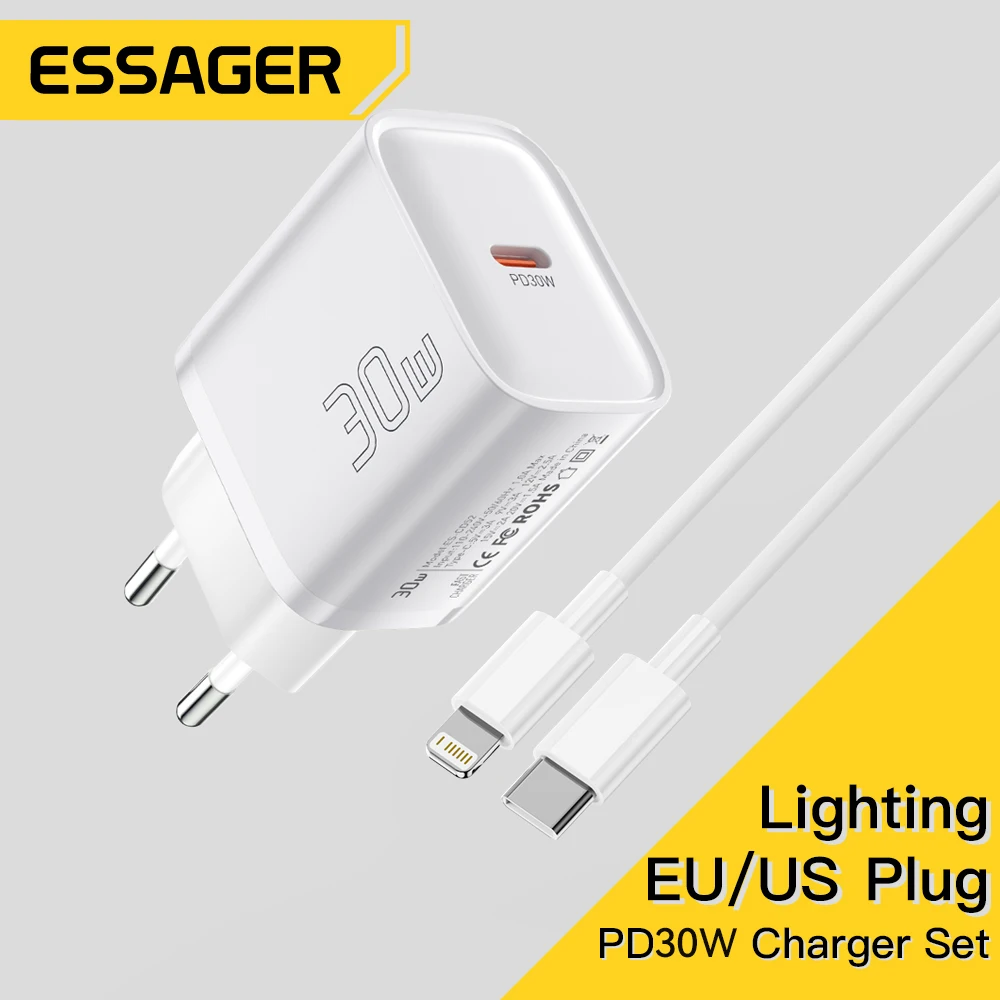
Charger power is written in watts (W), which is voltage multiplied by current. An old 5 V, 1 A charger delivers only 5 W, while modern chargers deliver 20, 45, 65 W or more.
The phone decides how much it takes, not the charger. So a 65 W charger will not harm a phone that supports 25 W as long as they share a common standard, but it will not charge it faster than the phone's limit either. Check your phone's specifications for its maximum charging power before paying for a stronger charger than you need.
How many watts does your device need?
| Device | Suitable power (approx.) | Note |
|---|---|---|
| Recent iPhone | 20 to 30 W | Over USB-C with PD |
| High-end Samsung | 25 or 45 W | Needs PPS for top speed |
| Xiaomi, Oppo and others | 33 to 120 W | Top speed often only with the original charger |
| iPad and tablets | 20 to 45 W | A stronger charger cuts charging time a lot |
| USB-C laptop | 65 to 100 W | Make sure the cable supports the same power |
Figures are approximate; your device's specification page is the final reference.
Fast-charging standards
- USB Power Delivery (PD): the most widespread standard over USB-C, supported by iPhones, most Android phones and modern laptops.
- PPS: an extension of PD that fine-tunes voltage during charging and reduces heat. Samsung phones need it for "Super Fast Charging".
- Quick Charge: an older standard found on some USB-A chargers.
- Proprietary technologies: some brands only reach full speed with their own charger and cable; with any other charger the phone uses normal PD speed.
GaN chargers: why they are everywhere now
GaN (gallium nitride) chargers use a more efficient semiconductor than traditional silicon, so they are smaller and cooler for the same power. A 65 W GaN charger can be the size of an old phone charger and charge a phone and laptop together. If you travel a lot, one multi-port GaN charger replaces three chargers.
Note: when several devices are plugged into a multi-port charger, the power is shared. A 65 W charger may give 45 W to one port and 20 W to another, and this is usually printed on the back.
Don't neglect the cable
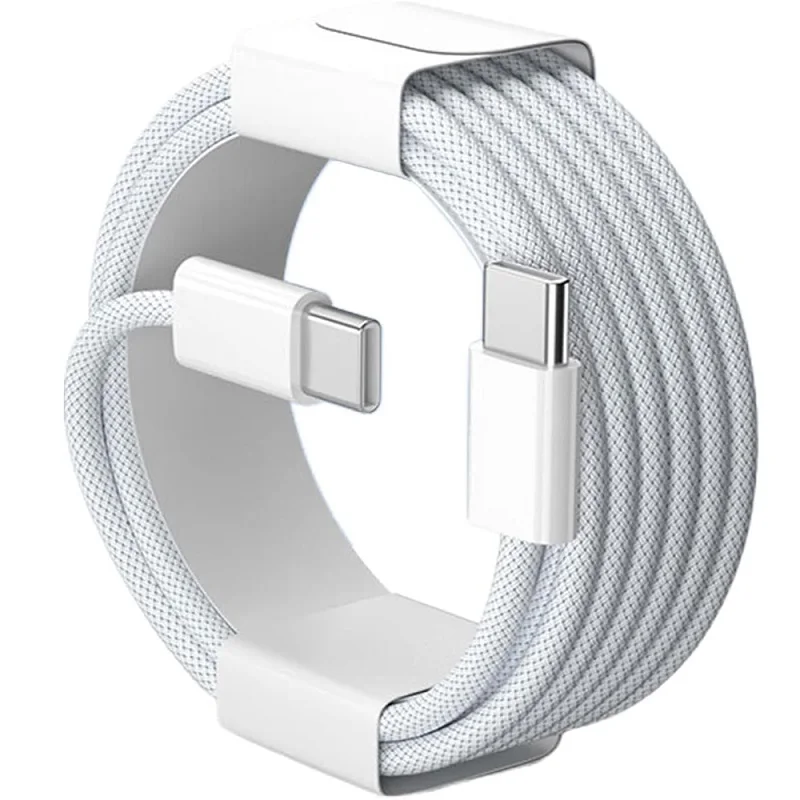
A weak cable can slow charging even with a strong charger. Ordinary USB-C cables handle up to 60 W, while 100 W or 240 W needs a cable with an E-marker chip. Choose a cable that clearly states its rating, ideally braided, because it lasts longer. Replace any cable with cuts, exposed wire or a loose connector, as these are the most common cause of sparks and heat. See our USB-C cable guide.
Does fast charging damage the battery?
Fast charging itself does not ruin the battery, because the phone controls the speed: it charges quickly up to about 50% or 60%, then slows down. The real enemy is heat. So:
- Remove a thick case if the phone gets very hot while charging.
- Avoid heavy games during fast charging.
- Turn on "Optimised charging" or "Battery protection", which stops at 80% or delays finishing until you wake up.
- Don't charge the phone in a hot car or in direct sun.
Car chargers and wireless chargers
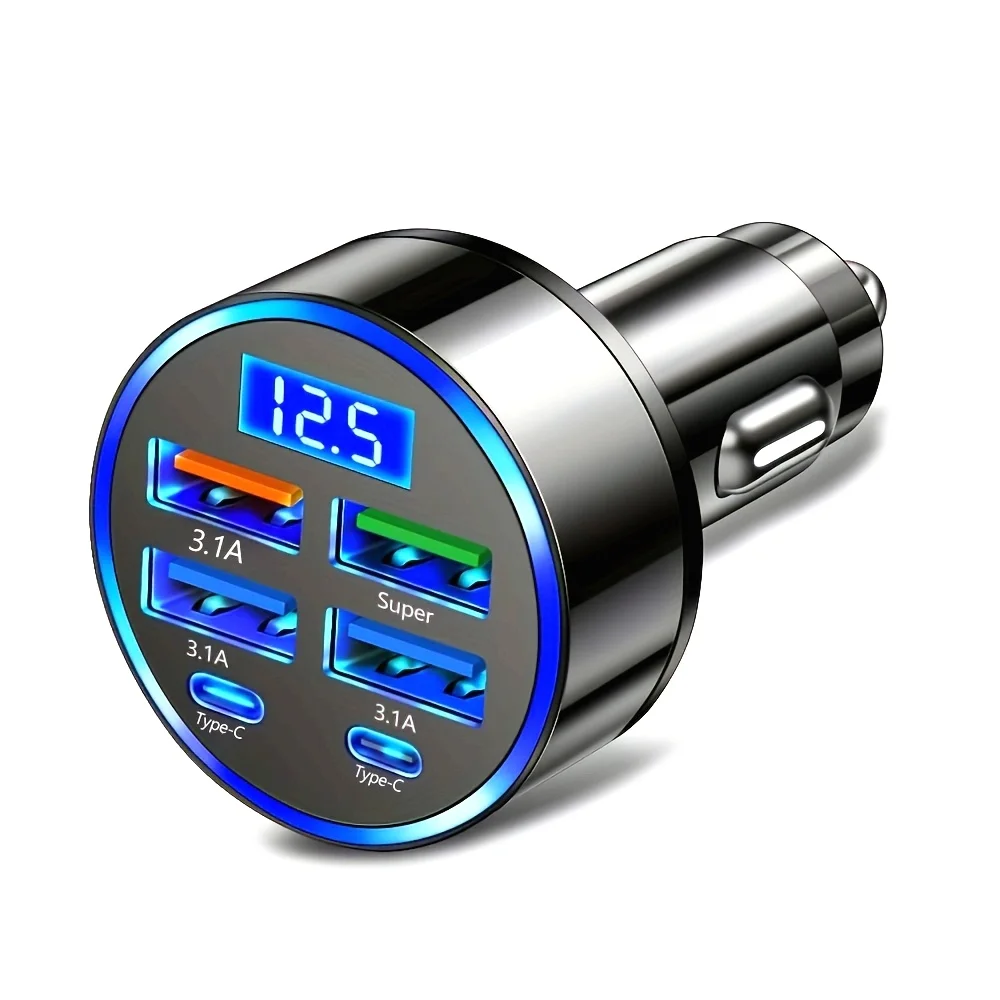
Car charger: choose one with a USB-C port supporting at least 20 W PD, and avoid very cheap ones because a car's electrical supply fluctuates when starting.
Wireless charger: convenient on a desk or bedside table, but slower and warmer than a cable. Choose Qi2 or MagSafe if your phone supports it, because the magnets put the phone in the right spot.
Signs of an unsafe charger
- Too hot to touch during normal charging.
- Unusually light weight and no specifications printed on the body.
- Buzzing, a burning smell or dark marks around the pins.
- Charging that keeps cutting out and reconnecting.
- A poorly printed logo or a price far below the original, which are signs of a fake.
If you notice any of these, stop using the charger immediately. And never leave a phone charging on a bed or under a pillow, where heat cannot escape.
Frequently asked questions
Can I charge an iPhone with a Samsung charger?
Yes, if the charger supports USB-C PD; it will charge at the speed the iPhone supports.
Should I unplug the charger when not in use?
It draws very little power, but unplugging is better, especially with cheap chargers or when travelling.
Is charging overnight harmful?
Modern phones stop at full, and with optimised charging turned on it is generally safe.
Summary
First find the maximum power your phone supports, then choose a USB-C charger with PD (and PPS for Samsung) at that power or slightly above, with a cable rated for the same power. If you charge several devices, a multi-port GaN charger saves space and money.
Suggested products
Prices and codes are approximate and may change; purchases are completed on AliExpress.